
The Robots Are Coming, And Not A Moment Too Soon
Andreas Bubenzer-Paim is Head of Technology Banking at BMO. Overseeing the delivery of financial services to U.S. technology companies.
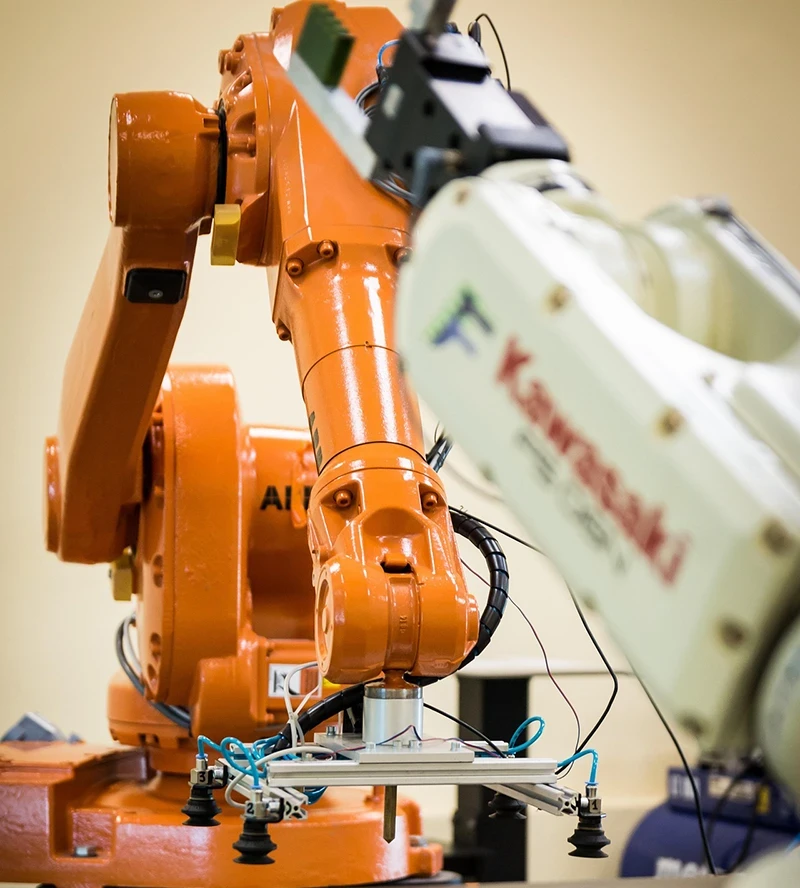
In an effort to accelerate industrial automation, digitalization and sustainability, the robotics sector has seen large activity and investments. From drones and humanoid robots to collaborative “cobots” designed to work alongside humans, sophisticated machines are poised to revolutionize industries and our daily lives.
In combination with artificial intelligence (AI), robots can not only replicate the manual dexterity of humans, but they can also make independent decisions and take action to achieve repeatable and accurate goals. Tesla’s Optimus humanoid robot is an example of the significant technological innovation ready to disrupt traditional labor markets.
But while Optimus represents cutting-edge innovation, it's only one part of broader trends reshaping the entire robotics landscape.
Sustainability & Green Robotics
Beyond ramping up production of green technologies like solar panels and EV batteries, the industry is developing robots specifically designed to support environmental goals.
For example, AI-powered robotic pickers and sorters enable waste management companies to sort and identify waste by material, size and color, resulting in more efficient recycling. The technology also provides companies with access to more granular data-driven insights and helps identify trends in their waste streams.
Robots can be a valuable tool in combating climate change, as they can help society make larger strides toward sustainability by reducing pollution and emissions.
The Rise Of Human-Like Robots
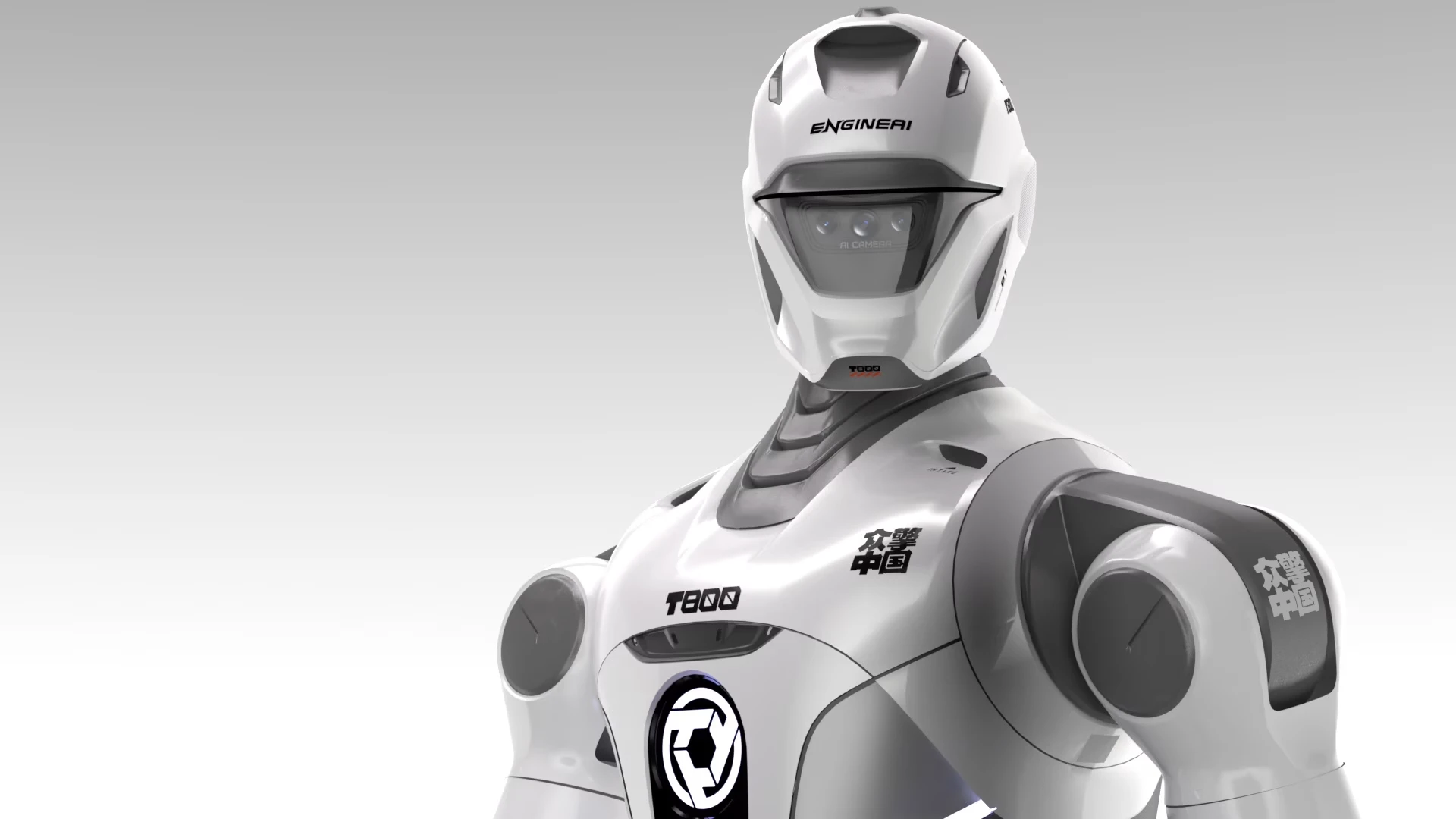
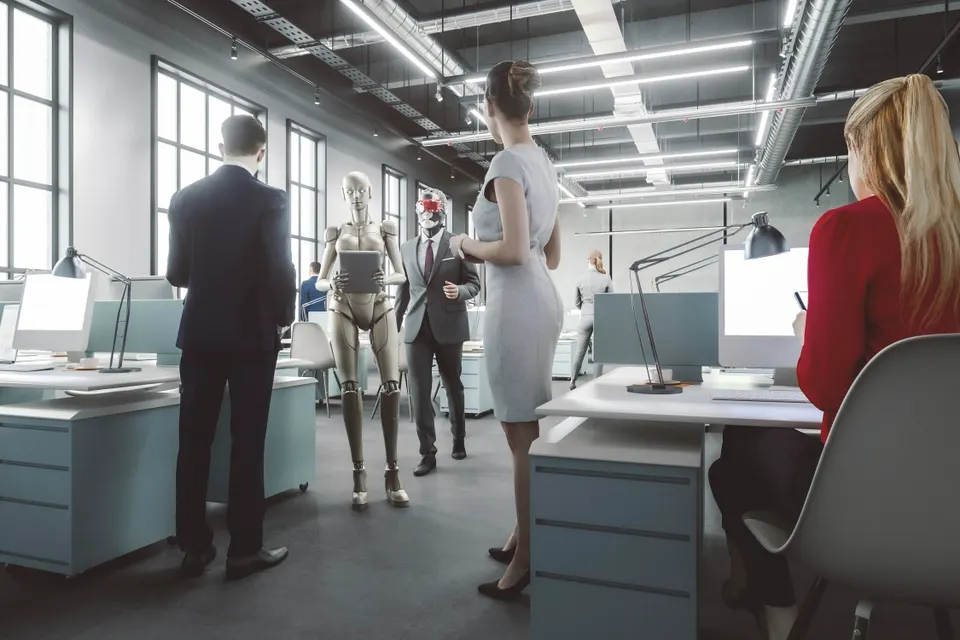
Humanoids are a blend of AI and robotics. They typically feature human-like body structures—arms, legs and heads—enabling them to perform functions once reserved for humans. Post-pandemic, there has been a rise in demand for contactless completion of certain tasks. According to a 2024 Goldman report, the total addressable market for humanoid robots is projected to reach $38 billion by 2035, up more than sixfold from the previous projection of $6 billion. One reason for this cost is that cheaper components and more supply chain options are now available, and manufacturing has improved.
Motion technology company Schaeffler Group, for example, is introducing humanoid robots into its processes to increase flexibility and productivity across its factories and distribution hubs. These robots, including Agility Robotics’ Digit, can carry out tasks like transporting materials and assembly all while working alongside people.
Humanoids help bridge the gap between machines and human interactions. They're designed to work alongside people, adapting to different environments while increasing productivity and enhancing safety by taking on hazardous tasks. There are immediate benefits to sectors like manufacturing, customer service, warehousing and logistics, and healthcare, but the applications are endless.
Automation As A Force Multiplier
According to the International Labour Organization (ILO), the global manufacturing sector is suffering from a labor shortage, fuelled largely by demographic changes. Robotics promises to help fill current and future manufacturing workforce gaps.
Automation is far more complex than robots replacing humans; it acts as a force multiplier. Robots can take over repetitive, dangerous, delicate, dirty, tedious and physically demanding tasks, freeing human workers to focus on higher-value, complex and creative tasks.
Beyond physical labor, automation plays an important role in skills shortages as well. Chatbots handle customer service inquiries, AI-powered coding assistants tackle repetitive development tasks, and robotic baristas manage high-volume kitchen operations.
The Road To Robot Integration
Despite rapid technological advancement, the path to widespread robot adoption faces significant hurdles. Costs, maintenance, production, technical expertise, unemployment, fraud, security and privacy are just some of the concerns and factors that demand consideration before we fully amalgamate robots into our everyday lives. But make no mistake: the AI-powered robotics revolution is coming, and those who embrace it may greatly benefit.