
HV | Job Scope and Responsibilities introduction
An HV Engineer works on any system operating above ~60V DC (EV traction batteries, inverters, chargers, HV distribution, cold‑chain electric refrigeration, commercial EV platforms). In EV companies (Rivian, Tesla, BYD, BrightDrop, Xos, Canoo), HV engineers are core technical staff.
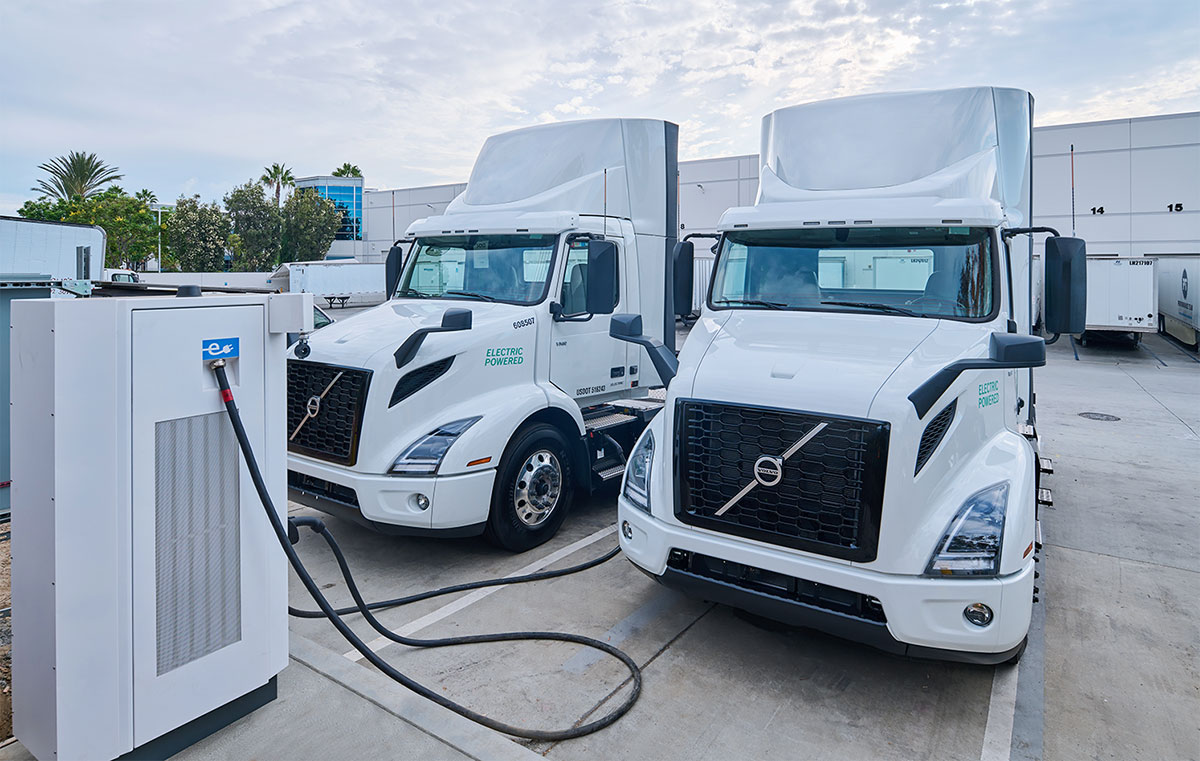
🔌1. High‑Voltage System Architecture & Design
What you do
Design the HV system layout for EVs or commercial vehicles
Define HV bus architecture (400V / 800V systems)
Select HV components (contactors, fuses, relays, DC/DC converters, chargers)
Create HV wiring diagrams, schematics, and harness drawings
Define HVIL (High‑Voltage Interlock Loop) strategy
Ensure compliance with SAE, ISO, UL, and OEM standards
Tools & skills
HV schematics
CAD (SolidWorks, CATIA, NX)
Harness design tools (Harness Studio, Capital)
SAE HV standards (J3068, J2807, J1939 for CAN)
🔋 2. Battery Pack Integration & Safety
What you do
Integrate battery packs into commercial EV platforms
Work with BMS (Battery Management System) teams
Define cooling/heating requirements (BTMS)
Perform HV insulation testing (megger, hipot)
Validate battery safety (ISO 26262, SAE J2929)
Troubleshoot cell imbalance, thermal issues, HV isolation faults
Tools & skills
CAN bus analysis
HV insulation testers
Thermal modeling
Battery pack architecture
⚡ 3. Power Electronics & Traction System Integration
What you do
Integrate inverters, motors, DC/DC converters
Validate HV power distribution units (PDU)
Perform HV functional tests (pre‑charge, discharge, contactor control)
Troubleshoot inverter faults, motor control issues
Work with software teams on HV control logic
Tools & skills
Oscilloscope
CANalyzer / CANoe
HV test benches
Motor control fundamentals
🔌 4. Charging Systems & Infrastructure (AC/DC Fast Charging)
What you do
Integrate onboard chargers (OBC)
Validate DC fast charging (CCS1/CCS2)
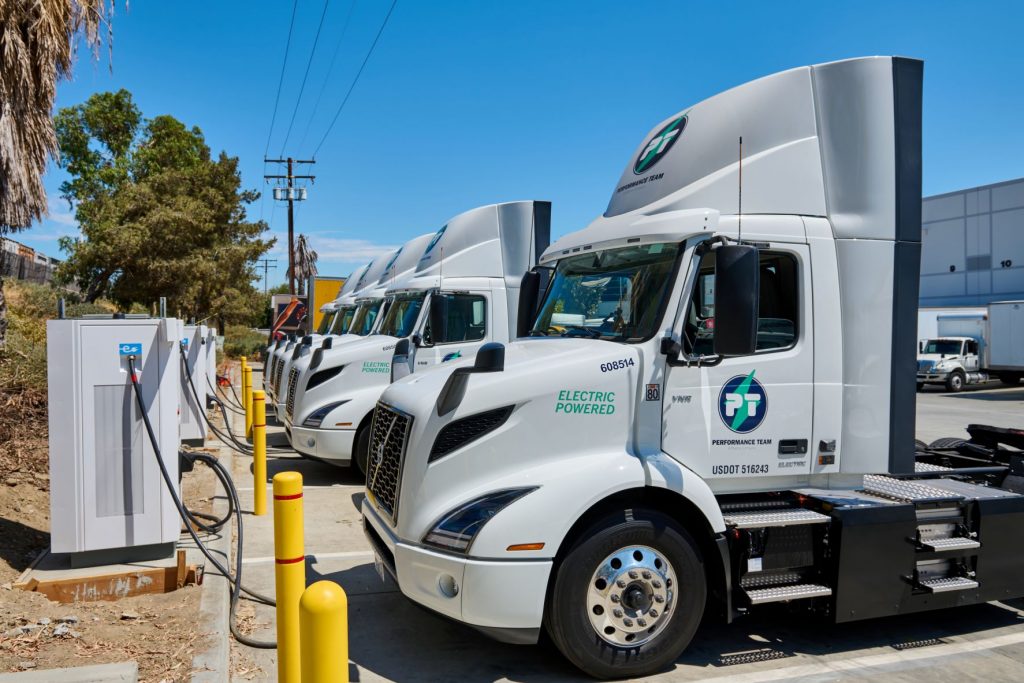
Work with infrastructure teams on depot charging
Ensure compliance with SAE J3068 (commercial EV charging)
Troubleshoot charging communication issues (PLC, CAN, ISO 15118)
Tools & skills
Charging communication protocols
CCS testing equipment
Depot charging design
Fleet electrification
🧊 5. Cold‑Chain EV Refrigeration Integration (Your Unique Advantage)
What you do
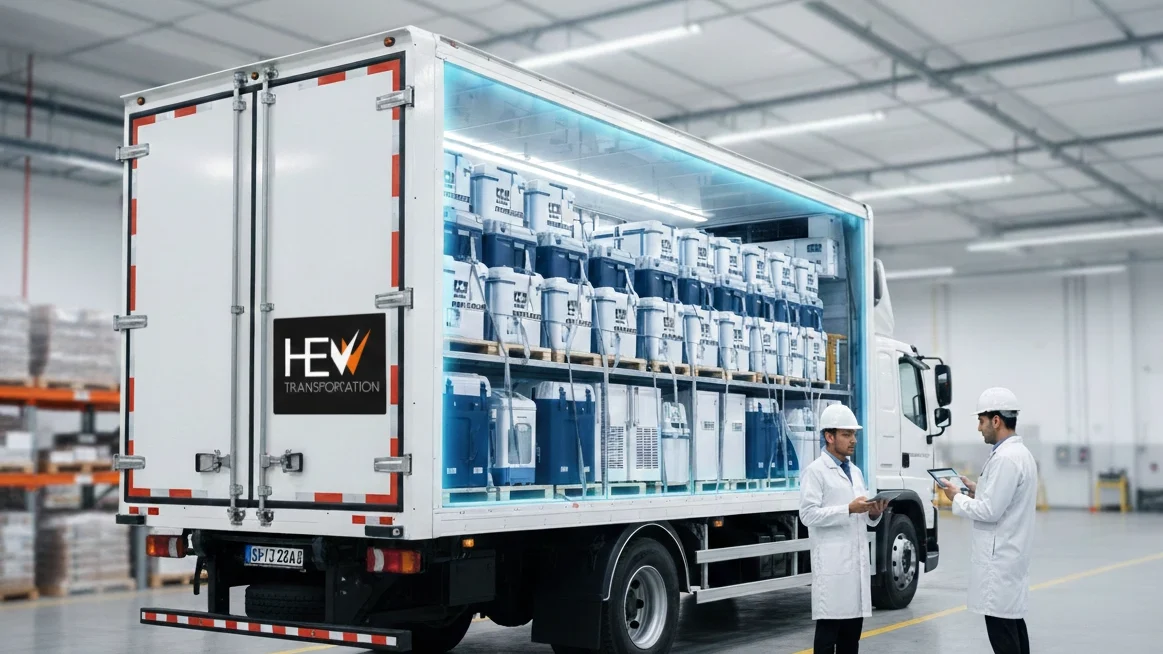
Integrate Thermo King / Carrier electric refrigeration units
Connect cold‑chain HV loads to EV battery systems
Design HV distribution for refrigeration + traction
Analyze refrigeration energy consumption
Build CAN gateways between cold‑chain units and EV chassis
Validate thermal performance under load
Tools & skills
J1939 CAN
Refrigeration load modeling
HV distribution design
Cold‑chain EV integration
This is where you are uniquely competitive — almost no HV engineers understand cold‑chain systems.
🛠 6. HV Testing, Validation & Troubleshooting
What you do
Perform HV safety tests (insulation, isolation, hipot)
Validate HV harnesses and connectors
Troubleshoot HV faults (isolation drops, contactor welds, pre‑charge failures)
Run durability tests under vibration, temperature, humidity
Validate HVIL functionality
Tools & skills
Megger
Hipot tester
HV PPE
HV lockout/tagout procedures
🧪 7. Compliance, Standards & Safety
What you do
Ensure compliance with SAE, ISO, UL, FMVSS
Write HV safety procedures
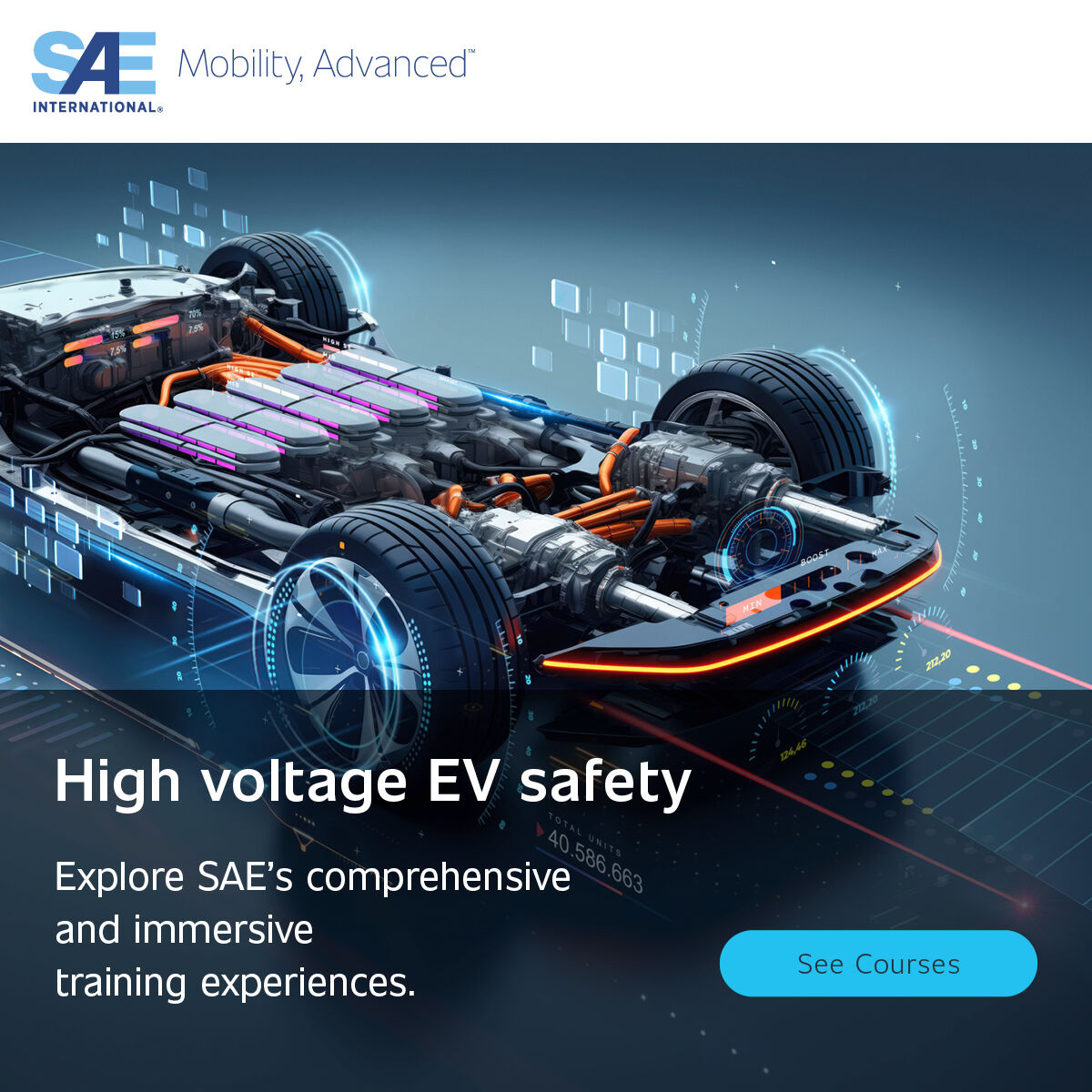
Train technicians on HV safety
Conduct DFMEA/PFMEA for HV systems
Work with regulatory bodies (CARB, NHTSA)
Relevant standards
SAE J2929 (battery safety)
SAE J3068 (commercial EV charging)
SAE J1939 (CAN)
ISO 26262 (functional safety)
UL 2202 / UL 2231 (charging safety)
🧩 8. Cross‑Functional Engineering Work
What you do
Work with mechanical teams on packaging
Work with software teams on HV control logic
Work with thermal teams on cooling systems
Work with manufacturing teams on HV assembly processes
Work with service teams on field troubleshooting
This is where your mechanical + software background gives you a huge advantage.
⭐ Summary: What an HV Engineer Actually Does
An HV Engineer is responsible for:
Designing HV systems
Integrating battery packs
Working with power electronics
Building charging systems
Ensuring HV safety
Troubleshooting HV faults
Integrating cold‑chain refrigeration (your unique advantage)
Working across mechanical, electrical, software, and thermal teams
It is one of the highest‑growth, highest‑salary, highest‑demand engineering roles in Los Angeles,CA,USA .