
UHP | Competitive Strategy Analysis for Entering the U.S. Ultra‑High‑Pressure (UHP) Market
The Ultra‑High‑Pressure (UHP) fluid connection market — encompassing hoses, fittings, and related systems designed to handle pressures exceeding 6,000–10,000 psi — is a high‑performance segment of the industrial fluid transfer industry.
Market Size & Growth
Global UHP hoses and fittings market: Valued at USD 3.5 billion in 2024, projected to reach USD 5.7 billion by 2033, growing at a CAGR of 6.6% www.verifiedmarketreports.com.
UHP hose market (hoses only): USD 2.5 billion in 2024, expected to hit USD 4.1 billion by 2033 (CAGR ~6.1%) www.verifiedmarketreports.com.
UHP fittings market (ultra‑high‑purity, high‑performance): USD 1.42 billion in 2025, forecast to reach USD 2.55 billion by 2035 (CAGR ~6.0%)
1. Market Reality Check (Based on Your Open Report + Industry Data)
Your open tab confirms the UHP market’s competitive landscape:
Top players in UHP hoses & fittings (North America):
Parker (U.S.) : Dominates OEM + distribution , Polyflex and Autoclace brand in marketing.
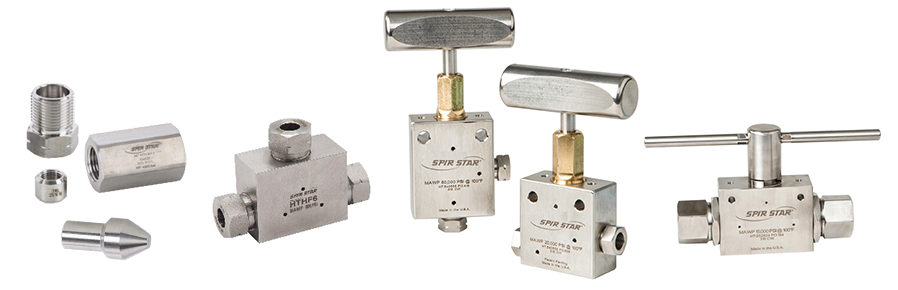
Spirstar (Germeny) : Dominates waterjet & 40–60k psi
Hansa‑Flex (Germeny)
Eaton (U.S.) : dominate industrial hydraulics
CEJN (SWEDEN)
Hammelmann (Germeny) : dominates waterjet equipment
Gates Group (U.S.) :dominate industrial hydraulics
Hydroscand (SWEDEN)
Norwesco Industries (CANADA)
HYDRO ZNPHS (EURO.)
Conclusion:
The U.S. UHP market is fragmented but high‑barrier, with strong incumbents.
Your strategy must avoid head‑on competition with Parker/Spirstar and instead exploit gaps.
2. Where the Market Gaps Are (Marketing Opportunity Zones)
Gap A — Slow response & long lead times from big brands
Parker & Spirstar often have:
2–6 week lead times ;
Limited custom assemblies;
Rigid distributor rules;
Opportunity:
Fast‑response, custom UHP assemblies (same‑day or 48‑hour service).
Gap B — Lack of integrated “system‑level” solutions
Major Customers often buy:
Hose from Parker ;Quick Fittings from CEJN;Valves from Maximator;Pumps from Hammelmann
Opportunity:
Offer complete UHP connection packages:
Hose + fittings + adapters + safety accessories
Pre‑tested assemblies
Certification documentation
Gap C — U.S. customers want local support
Spirstar is German; SITEC is Swedish; Hansa‑Flex is European.
Their U.S. presence is limited.
Opportunity:
A U.S.-based assembly & service center is a major competitive advantage.
Gap D — Mid‑pressure (10k–25k psi) is underserved
Parker focuses on high‑end OEM.
Spirstar focuses on 40–60k psi.
Opportunity:
Mid‑pressure (10k–25k psi) for:
Industrial cleaning
Automotive manufacturing
Food processing
General hydraulics
This segment is large and less defended.
3. Your Competitive Positioning Strategy
Positioning Statement
“A U.S.-based ultra‑high‑pressure hose & fitting specialist offering fast delivery, custom assemblies, and complete system‑level solutions—filling the service gaps left by Parker and Spirstar.”
4. Strategic Pillars for Market Entry -Plan
Pillar 1 — Become a U.S. Assembly & Service Center
This is the fastest way to enter the market.
Why it works
Parker & Spirstar rely on distributors
Customers hate long lead times
UHP assemblies require certified assembly centers
Execution
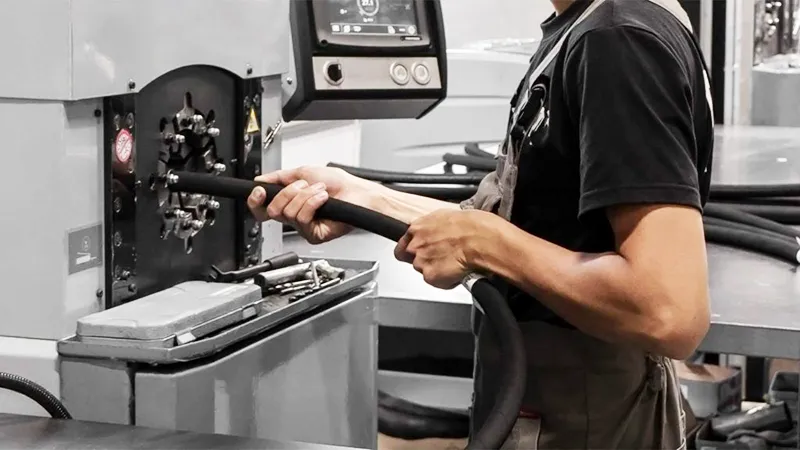
Start with assembly + testing (10k–40k psi)
Add certification services
Add mobile on‑site hose replacement (huge demand in oil & gas + industrial cleaning)
Pillar 2 — Build a Hybrid Product Portfolio
You don’t need to manufacture everything at first.
Phase 1: Distribute + assemble
Import UHP hoses (Spirstar, SITEC, or OEM factories)
Assemble in the U.S.
Sell under your brand
Phase 2: Manufacture fittings
Start with:
NPT / JIC / BSPP / Metric adapters / Safety collars
Phase 3: Manufacture your own hose
Only after volume grows.
Pillar 3 — Target the Right Industries
Based on your open report, the biggest U.S. segments are:
1. Oil & Gas (largest share)
Texas, Louisiana, Oklahoma
High demand for UHP testing, flushing, cleaning
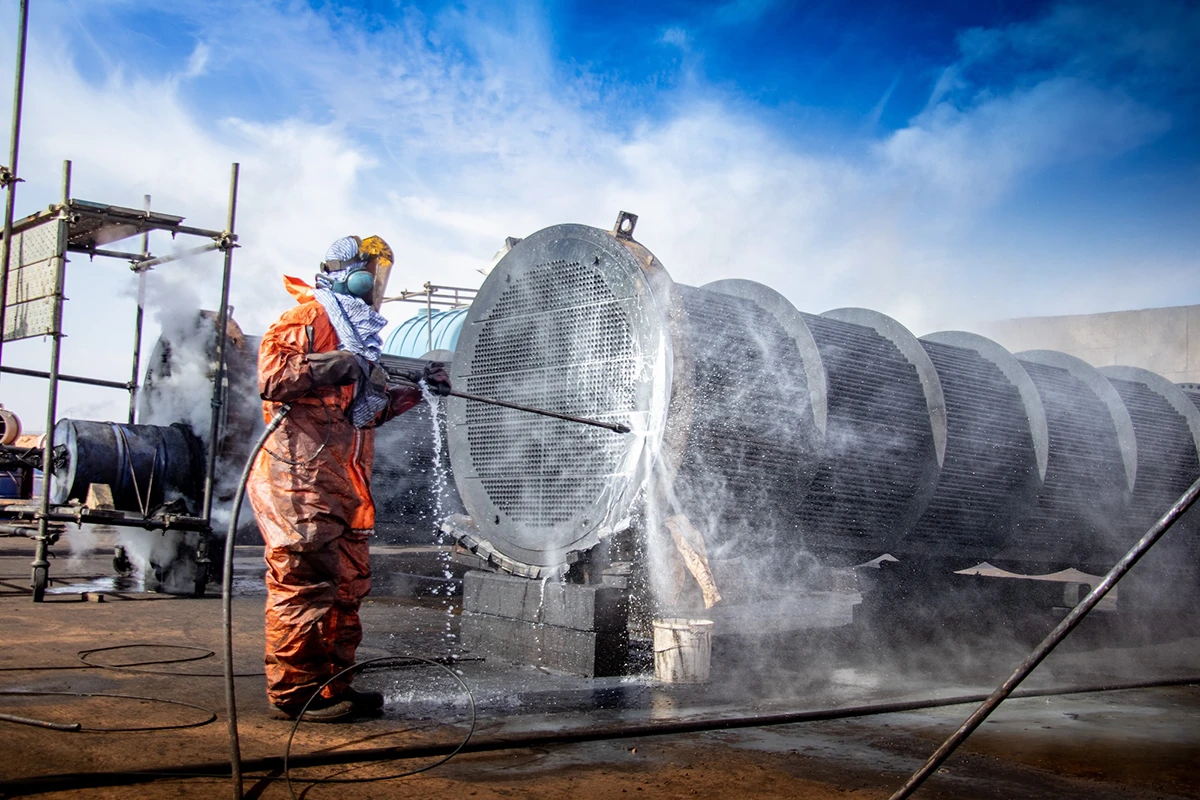
2. Industrial Cleaning / Waterjetting
Shipyards
Construction
Municipal cleaning
3. Automotive & Manufacturing
Midwest + Southeast
High‑pressure hydraulics
4. Food & Beverage
High‑pressure sanitation
Stainless steel fittings
Pillar 4 — Differentiate with Speed + Engineering
Your strongest differentiators:
A. Fast delivery
Same‑day assembly beats Parker’s 2–6 weeks.
B. Engineering support
Most distributors cannot provide:
Pressure drop calculations
Hose life prediction
System design
Safety training
New entry conpany can.
C. Custom solutions
Non‑standard lengths
Special fittings
High‑temperature versions
Chemical‑resistant versions
Pillar 5 — Build a U.S. Brand Identity
Your brand should emphasize:
U.S. assembly
U.S. testing
U.S. certification
Fast delivery
Safety compliance
This is extremely attractive to American industrial buyers.
5. Competitive Response Expectations
Parker
Will not react aggressively
Too large to fight small competitors
You can coexist easily
Spirstar
May strengthen U.S. distributor network
But still limited by German supply chain
Eaton/Gates
Not focused on UHP
No threat
CEJN
Only strong in quick couplings
Not a hose competitor
Conclusion:
You can enter the market without triggering a price war.
6. 12‑Month Action Plan (Practical & Realistic)
Month 1–3
Register U.S. brand
Secure OEM hose supplier (China/Germany)
Rent small warehouse (NJ/NY/TX)
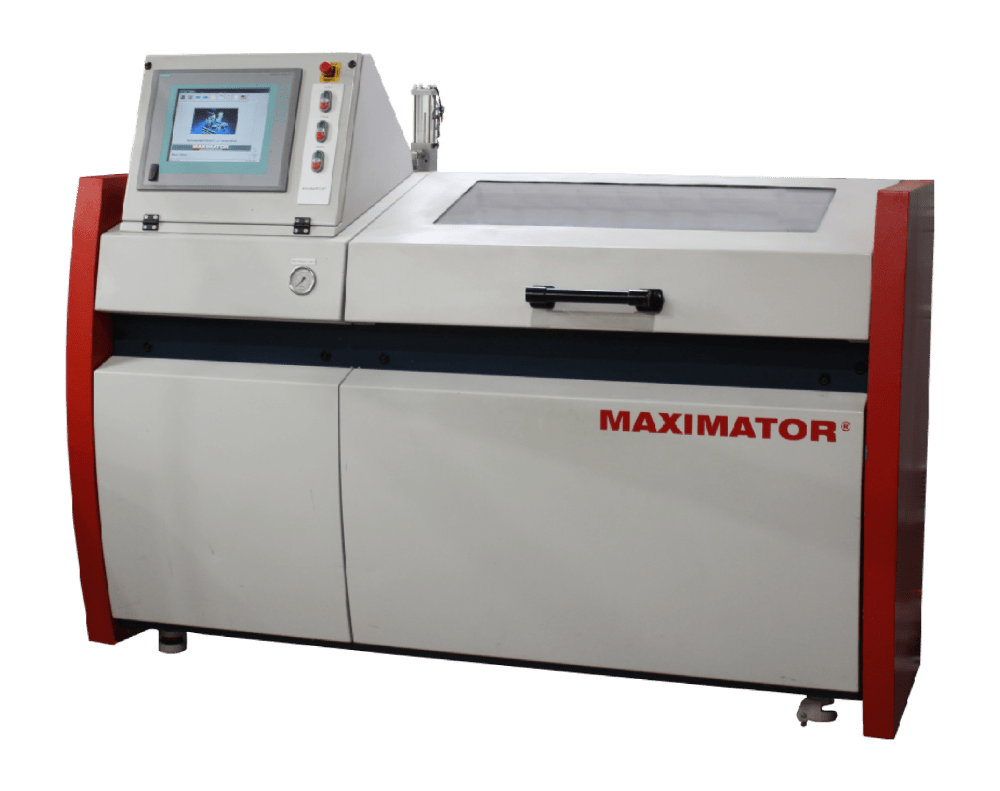
Buy UHP test bench (Maximator or equivalent)
Month 4–6
Start assembly service
Build website + catalog
Begin selling to industrial cleaning companies
Month 7–9
Add fittings manufacturing (CNC lathe + SS316 bar stock)
Expand into oil & gas customers
Month 10–12
Add mobile on‑site hose replacement
Attend trade shows (WJTA, OTC Houston)
Build distributor network
7. Final Strategic Recommendation
Enter the U.S. UHP market as a fast‑response assembly & engineering service provider, then expand into fittings manufacturing, and finally develop your own hose line.
This strategy avoids direct competition with Parker/Spirstar and leverages your unique strengths.