

How Can You Diagnose a Hydraulic Pump Problem?
In order to effectively diagnose a hydraulic pump problem, there should be a systematic approach that uses both quantitative analysis and qualitative assessments. Start by checking the pressure readings of the system using calibrated gauges; any differences from normal operating pressure usually indicate pump failure. Afterwards, you can apply vibration analysis techniques that enable detection of abnormal vibrations which might indicate alignment problems or internal imbalance with the pump. Furthermore, a complete fluid condition assessment through sampling can detect contamination; this affects efficient pump operation. Regular monitoring for thermal runaway is essential in identifying overheating as an indicator of poor lubrication and high load. Observe physical signs like leakages and wear on pump components during physical inspections which could provide insight into possible failures. These diagnostic methods, when combined, will enable technicians to determine what triggered the pump malfunction and choose appropriate action.
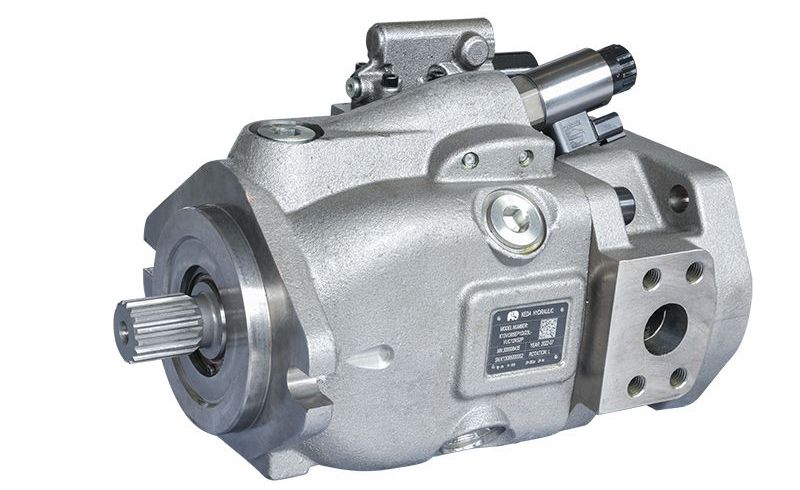
Guidelines for Hydraulic Pump Diagnosis
Collect First Data: Note all symptoms and features of hydraulic systems, such as pressures, flow rates, noise, or vibration. These parameters will form a basis for comparison.
Check Fluid Levels and Conditions: Examine the hydraulic fluid levels and state. This can include checking whether particulate matter or discoloration is present in the fluid and ensuring that it meets specified viscosity requirements.
Pressure Testing: Use pressure gauges, calibrated for this purpose, to measure inlet and outlet pressures. Measure up to factory specifications which might indicate blockages or pump failure.
Perform Vibration Analysis: Detecting abnormal vibration patterns using tools designed specifically for this purpose can help identify misalignment, imbalance, bearing wear, and other problems associated with various components.
Thermal Imaging: Cameras are used in thermal imaging to look for hot spots within the hydraulic system that may cause excessive temperatures due to overloading or lack of lubrication.
Inspect Electrical Components: Electrically driven hydraulic pumps need their electrical connections checked, contacts tested and normal power supply levels maintained especially during mechanical failures that could result from electric connections gone wrong.
Examine Mechanical Components: The inside parts of the pump should be carefully examined in case it needs to be dismantled fully to see everything well; gears, vanes, and others should be checked for wear, pitting, damage, or dirty seals.
Compile Findings and Report: All diagnostic findings have been documented together with remedial actions taken if any were required on them before being included into future maintenance programs and troubleshooting logs
Utilizing Diagnostic Tools for Hydraulic Systems
Having precise methods and approaches while using these diagnostics tools, such as hydraulic pressure gauges, allows perfect analysis and management of problems. The first thing to do is start with hydraulic pressure gauges, which take pressure measurements inside the system, thus helping detect any abnormality immediately. This, coupled with flow meters, facilitates the quantification of fluid movement, evaluating the efficiency of operation, thus diagnosing problems like leakages and blockages, among others. Ultrasonic gas detectors are used for identifying gas leaks from compressors and vacuum lines. In contrast, digital voltmeters enable easy evaluation of electrical components to obtain accurate voltage/resistance values, which confirm the correct operating status. Additionally, data loggers assist in capturing system performance over time, making it easier to distinguish trends that might lead to impending failures. Ultimately, these tools when incorporated into an all-inclusive maintenance schedule enhance the reliability and performance levels for hydraulic systems greatly.
Requesting Consultation and Seeking Guidance from an Expert.
While looking for specialized guidance during the initial stages of examining a hydraulic system, it is important that the sources chosen should be examined in terms of their credibility. Research some well-known engineering and maintenance websites such as International Fluid Power Society (IFPS) and American Society of Mechanical Engineers (ASME). These are platforms that offer tips on how to maintain hydraulic systems for long periods without any problems. Moreover, consider using materials from established manufacturers of hydraulic components who often have technical documentation and diagnostic guidelines related to their products. In addition, engaging in hydraulic system forums and joining professional networks will help you learn from experienced practitioners who can provide more insights on complex topics. Ultimately, through synthesis of information obtained from these authoritative sources, one’s knowledge about these systems will be enhanced thereby ensuring they function optimally.
