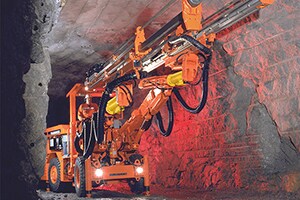

The Top 5 Causes of Hydraulic Hose Failure in Mining
In mining, the top five causes of hydraulic hose;failure include external abrasion, improper routing, pressure surges, fluid contamination, and high temperatures. When a hydraulic system fails, you face serious safety risks like bursts, leaks, and fire hazards. Downtime can cost the mining sector up to $4 billion each year. Regular inspection and prevention help reduce failures by 75%, saving valuable time and money. We delivers reliable hydraulic hoses that help you protect your team and equipment.
Financial and Safety Impact
When a hydraulic hose fails in a mining operation, the consequences go far beyond the cost of a simple repair. You face a chain reaction of problems that can disrupt your entire site. Here are some of the most common impacts:
Lost productivity as machines stop working and crews wait for repairs
Safety hazards from high-pressure leaks or the sudden movement of a broken hose
Environmental risks if hydraulic fluid spills onto the ground
Increased repair costs when nearby components get damaged
Missed deadlines and penalties if your project falls behind schedule
You also need to consider the hidden costs that come with hydraulic hose issues. These often include:
Production losses, which can add up quickly in high-value mining operations
Emergency repair labor, often requiring overtime and extra technicians
Replacement of not just the hose, but also any damaged parts nearby
Equipment rental or substitution, which can slow down your work
Project timeline impacts, leading to missed milestones and possible contract penalties
Quality and rework expenses if failures cause further problems
Environmental remediation, including cleanup and compliance costs
Safety incidents and liability, which can increase insurance premiums and medical expenses
The Need for Proactive Prevention
You can avoid many of these problems by taking a proactive approach to maintenance and prevention. Regular checks and smart planning help you catch small issues before they become big failures. The most effective strategies include:
| Prevention Strategy | Description |
|---|---|
| Regular Inspections | Check hoses for wear, leaks, and damage to spot problems early. |
| Training and Education | Teach your team how to handle and maintain hoses properly. |
| Proper Routing and Support | Plan hose routes to prevent damage and secure them against movement. |
| Selecting High-Quality Hoses | Use hoses designed for mining to reduce the risk of failure. |
hydraulic hoses give you an advantage in this area. Their hoses meet strict quality standards and are built for tough mining environments. By choosing , you reduce the risk of unexpected downtime and protect your team from safety hazards. You also save money by avoiding the hidden costs that come with hydraulic hose failure.
Common Causes of Hydraulic Hose Failure in Mining
External Abrasion
Abrasive Mining Environments
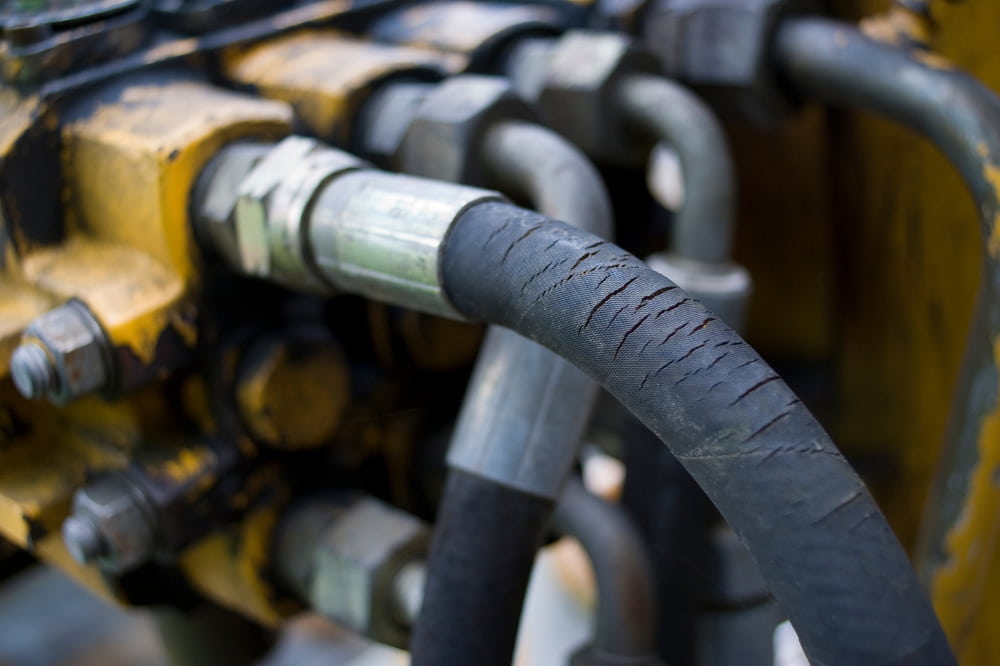
Mining sites expose hoses to rocks, dust, and heavy machinery. You often see hoses dragged across rough surfaces or squeezed between moving parts. This constant contact leads to hydraulic hose abrasion, which weakens the outer cover. Over time, you may notice surface fraying, hydraulic hose blistering, or even a hydraulic hose crack. If you ignore these signs, the hose can fail suddenly, causing a hydraulic hose burst and putting your team at risk.
Abrasion-Resistant Covers
You can prevent many abrasion-related hydraulic hose issues by choosing hoses with advanced protection. uses ultra-wear synthetic rubber covers that last up to ten times longer than standard hoses in abrasive environments. These covers help you extend replacement intervals and reduce downtime. hoses also meet MSHA safety standards, so you get certified flame resistance and thermal stability for underground mining. Here’s a quick look at how features address common causes of hydraulic hose failure:
| Feature | Description | Benefit |
|---|---|---|
| Superior Abrasion Resistance | Ultra-Wear Synthetic Rubber Cover | Extends replacement intervals by preventing surface fraying and degradation in abrasive environments. |
| Certified Safety & Thermal Stability | MSHA compliant materials | Prevents fire hazards and ensures flexibility in extreme temperatures. |
Improper Routing and Bend Radius
Routing Errors and Stress Points
Improper routing is one of the most common causes of hydraulic hose failure in mining. If you bend a hose too tightly or route it around sharp corners, you create stress points. These errors can lead to kinks, hydraulic hose crack, or even hose blistering. When hoses rub against metal edges or get pinched, the damage builds up quickly. You might see leaks or sudden bursts if you do not follow the correct bend radius.
Flexible Hose Solutions
offers high pressure hoses with flexible designs that make routing easier. You can install these hoses in tight spaces without risking damage. The smooth outer cover helps you avoid snagging and abrasion. also provides support for proper installation, so you can reduce stress points and extend hose life. Their hoses feature precision-matched crimped fittings, which ensure a 100% leak-proof connection and prevent fluid loss.
Pressure Surges and Pulse Fatigue
High-Pressure Spikes
Mining equipment often operates under extreme conditions. You may experience sudden pressure surges or spikes when machinery starts or stops. These high-pressure hydraulic hoses face rapid changes in force, which can cause pulse fatigue. Over time, repeated surges weaken the hose structure and lead to hydraulic hose burst or leaks.
Impulse-Tested Hoses
hoses are engineered for longevity under high pressure. Each hose is tested for over 1,000,000 impulse cycles, guaranteeing no-burst performance. This means you can trust your hoses to handle pressure spikes without failing. The robust construction protects your hydraulic system and helps you avoid costly downtime.
Fluid Contamination
Contaminant Sources
You face many risks when contaminants enter your hydraulic system. Dirt, dust, and water can get inside hoses during maintenance or hose changes. Metal shavings from worn parts may also enter the fluid. Sometimes, you might use incompatible hydraulic fluids, which can break down hose materials. These contaminants cause swelling, softening, or even a hydraulic hose crack. Over time, you may notice leaks, reduced system performance, or a sudden hydraulic hose burst.
Common sources of contamination include:
Poor storage or handling of hoses and fittings
Using dirty tools or containers during fluid transfer
Failing to clean new hoses before installation
Internal wear from pumps or valves
Mixing different fluid types without checking compatibility
Prevention with Quality Control
You can prevent most contamination problems by following strict quality control steps. Always store hoses in clean, dry areas. Use sealed containers for hydraulic fluids. Clean all tools and fittings before use. When you install a new hose, flush it with clean fluid to remove any debris. Regularly check and replace filters in your hydraulic system.
supports your efforts with hoses that meet SAE and DIN standards for cleanliness and material quality. Their hoses resist swelling and softening, even when exposed to challenging fluids. also offers technical support to help you select the right hose for your fluid type, reducing the risk of failure.
High-Temperature Damage
Heat Aging Effects
Mining equipment often works in hot environments. High temperatures can cause the rubber in hoses to age faster. You may see the outer cover harden, crack, or show signs of hydraulic hose blistering. The inner tube can become brittle, leading to leaks or a complete hydraulic hose failure. If you ignore these warning signs, you risk sudden breakdowns and expensive repairs.
Heat-Resistant Hoses
offers heat-resistant hydraulic hoses designed for extreme mining conditions. These hoses use special synthetic rubber blends that withstand temperatures up to 100°C. The outer cover resists both heat and ozone, so you get longer service life. hoses also maintain flexibility in cold weather, making them reliable year-round. By choosing these hoses, you protect your equipment from heat aging and reduce downtime.
Incorrect Fitting Installation
Fitting Compatibility
Incorrect fitting installation is one of the common causes of hydraulic hose failure. If you use the wrong fitting or do not tighten it properly, you may see leaks or even a hose blow-off. Fittings must match the hose type and size. Incompatible fittings can damage the hose end, causing a hydraulic hose crack or burst. Always check the manufacturer’s recommendations before installing any fitting.
Precision Assemblies
provides precision assemblies that ensure a perfect fit every time. Their fittings match each hose type, so you avoid compatibility problems. uses advanced crimping machines to create leak-proof connections. You also get training and support to help your team install hoses correctly. This reduces the risk of hydraulic hose issues and keeps your mining operation running smoothly.
Hydraulic Hose Abrasion in Mining
Abrasion Failure Modes
You work in mining, so you know how tough the environment can be on your equipment. Hydraulic hose abrasion happens when hoses rub against rocks, metal edges, or other surfaces. This constant friction wears away the outer cover of the hose. Once the cover thins out, the inner reinforcement becomes exposed. When this happens, moisture and corrosive materials can reach the steel wire or textile layers inside the hose. Corrosion weakens the hose, making it more likely to burst or leak.
Several factors in mining make abrasion worse:
Mining sites contain sharp rocks, ore, and slurry that scrape against hoses.
Equipment often operates in extreme temperatures and hazardous conditions, which speed up wear and tear.
Continuous movement and vibration from heavy machinery increase the chance of hoses rubbing against surfaces.
Even a slight twist in a hose can shorten its service life.
Corrosion of hose materials and fittings becomes a bigger problem when the outer cover is damaged.
You might notice fraying, cracks, or blisters on the hose surface. If you ignore these warning signs, you risk sudden hose failure, which can stop your operation and create safety hazards.
Prevent Hydraulic Hose Failure with Covers
You can prevent hydraulic hose failure by choosing hoses with advanced abrasion-resistant covers. designs its hoses for the harshest mining environments. Their hoses use ultra-wear synthetic rubber covers that last much longer than standard options. These covers protect the inner layers from both abrasion and corrosion.
hoses meet MSHA (Mine Safety and Health Administration) standards for flame resistance and anti-static properties. This means you get extra safety in underground mining, where fire hazards are a real concern. When you use hoses, you also benefit from:
EPDM inner linings and wire-braid reinforcement, which boost durability against moisture and abrasion.
Longer hose life—some mining operations have seen hose life triple within nine months after switching to abrasion-resistant models.
Fewer emergency repairs and less downtime, which means your team stays productive.
Improved safety, with no unplanned pressure-hose ruptures after upgrading to hoses.
For extra protection, you can add a hose protective sleeve to shield hoses from direct contact with abrasive surfaces. This simple step helps you extend hose life and reduce maintenance costs. By investing in abrasion-resistant technology, you keep your mining operation running smoothly and safely.