
6 Hydraulic Industry Trends: 2024 Year in Review
The hydraulic equipment industry covers components such as valves, fittings, hoses, pumps, motors, cylinders, filters and accumulators. End-use industries comprise primarily of aerospace and defense, automotive, machine tools, material handling, hydraulic presses, shipbuilding, construction, oil and gas, agriculture, forestry and plastics.
The global hydraulic market size in 2023 is expected to reach USD 45.3 Bn and grow to USD 54.1 Bn by 2028, with a CAGR of 3.62%. The largest market for hydraulic equipment is currently North America, while the fastest growing is the Asia-Pacific region.
According to the National Fluid Power Association (NFPA), 2023 is experiencing an increase in fluid power shipments of 22% monthly.
The chart below by the NFPA’s Confidential Shipment Statistics program is drawn from data collected from over 70 manufacturers of fluid power products, as reported in the Fluid Power Journal.
Increase in Hydraulic Automation
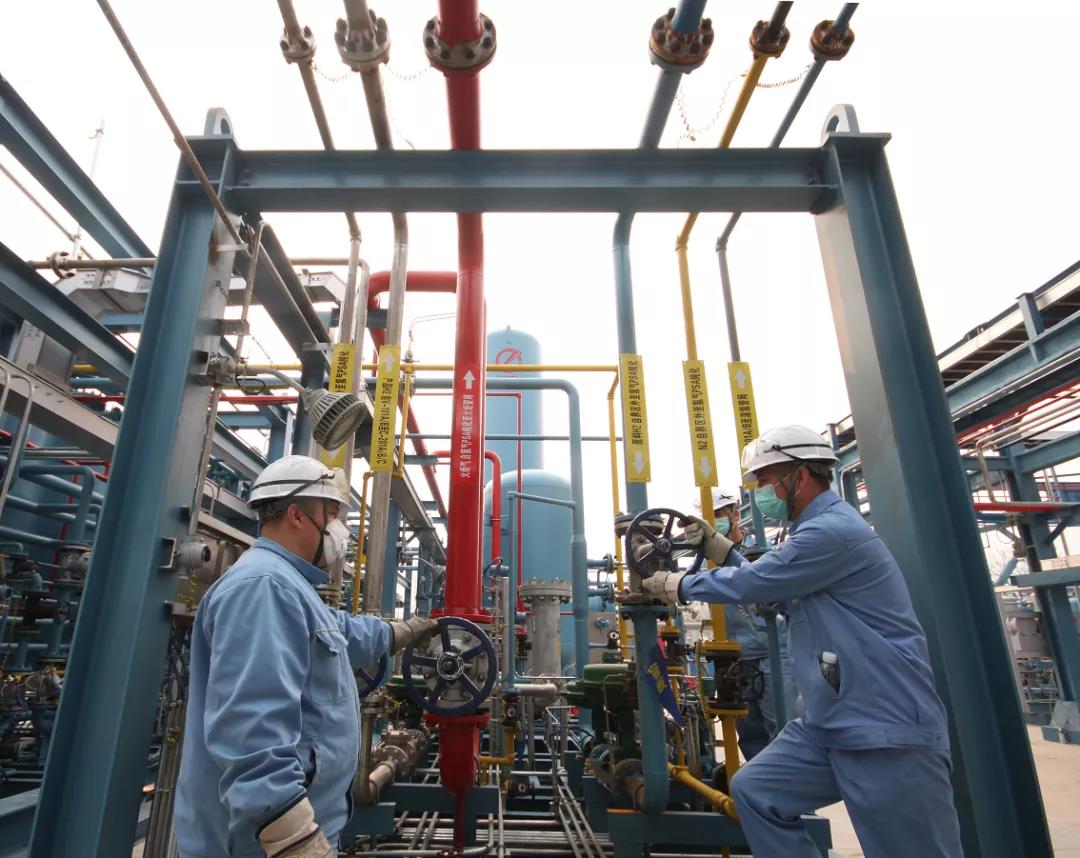
hydraulic with workerThe increase of new technologies in hydraulics has elevated both quality of products and the efficiency in how they’re made and operate.
To allow the miniaturization of components, the development of hydraulic hybrids, and the use of advanced materials, automated hydraulics incorporate the digitalization of intelligent controls which provide energy efficiency.
Many external factors are driving these advancements, including the continuing shortages in skilled labor. This continues to increase costs and decrease productivity. Many companies are investing in automated solutions provided by growing technologies in the IIoT. Along with many other industries, this is influencing an increased demand for material handling equipment, one of the fastest growing markets for smart hydraulics. The reduction in skilled labor is driving opportunities for automated pick & place robots, conveyors in distribution and autonomous forklifts.
The automation of hydraulics is becoming increasingly integrated into multiple areas of manufacturing and heavy equipment. Hydraulic systems and various components prove their capabilities by being utilized in industries such as construction, agriculture, healthcare, food processing and the energy sector.
Digital technologies are revolutionizing the industry with IoT connectivity, smart sensors and data analytics advancements, providing enhanced operational efficiency with real-time monitoring and predictive maintenance. These advancements allow organizations to improve productivity while minimizing downtime and reducing costs.
Hydraulic cylinders account for the largest market share of all components. Smart hydraulic cylinders integrate with electronics to increase the operation's accuracy and functionality. This is particularly true in mobile hydraulics, including material handling, construction and agricultural equipment.
1. Intelligent Control Systems
Intelligent control systems are the 4th industrial revolution of hydraulic technology. Artificial Intelligence is driving advanced control strategies and optimization from machine learning algorithms, which enable increased system performance, allowing systems to anticipate requirements and adapt to variable operating conditions. As intelligent controls optimize predictive modeling techniques, they enhance control of hydraulic actuators, reducing wear on components and energy consumption.
2. Increased Sustainability and Energy Efficiency
Improvements in sustainability and energy efficiency have been driven by innovations in hydraulic energy recovery, variable displacement pumps and regenerative braking systems. The optimization of system performance, reductions in energy consumption and minimization of fluid leaks that cause poor performance all enhance sustainable hydraulics that lend themselves to smart power management and hybrid hydraulics, resulting in gains in efficient energy consumption.
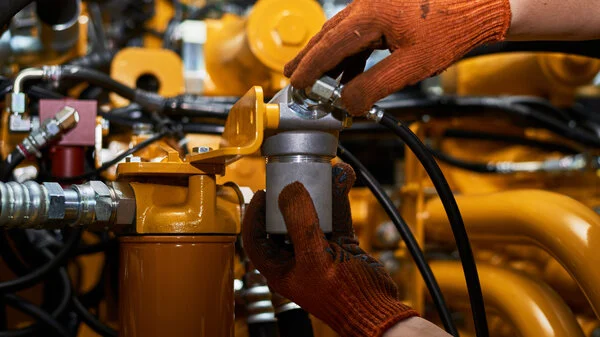
3. Hybrid Hydraulicshydraulic components
In recent years, hybrid hydraulic systems have become more prevalent to maximize performance and efficiency. They use electric and hydraulic technologies to operate hydraulic accumulators in storing and releasing energy to enhance electric power sources. Hydraulic hybrids enhance off-highway machinery, construction and agricultural equipment, material handling and other vehicles in reducing emissions and fuel consumption and improving power distribution. These hybrid systems enhance efficiency by providing closed-loop energy conservation, essentially recycling energy while a vehicle is braking or decelerating.
4. Lightweight and Miniaturized Components
Material advancements provide lighter-weight components and new manufacturing techniques, enabling more compact hydraulic components. Miniaturization of some hydraulic systems allows them to be integrated into smaller devices, such as aerospace components, robotics, hybrid mobile equipment and other applications with weight and space limitations. Durable, lightweight composite materials are what is typically used for strength and durability in creating lighter weight and smaller components.
5. High Performance Lubricants and Materials
Advanced materials and lubricants are an ongoing area of innovation in hydraulic technology. High-performance lubricants, coatings and seals reduce friction and increase the service life of components. Specialty alloys and material composites enhance corrosion resistance and durability, allowing hydraulic systems to perform better in the most demanding applications. In addition, newer additives extend the life of the fluids and components, and bio-based hydraulic fluids reduce negative environmental impacts.
6. Hydraulic System Safety
Taking safety measures is imperative when operating hydraulic systems. Innovations in safety have proved effective when incorporating advanced monitoring systems, pressure relief valves, check valves and other devices to avoid accidents and ensure safe system operation.
Conclusion
The question has been posed; Will hydraulics ever become obsolete?
The general consensus is there will always be a need for hydraulics due to their power density. Plus, as we’ve stated here, new technologies will continue to evolve and improve systems, components, fluids and the industry as a whole.
New hydraulic technologies will continue to provide innovation in industries from earth-moving equipment to aerospace, industrial machinery and more. The introduction of IIoT technologies will continue to evolve in hydraulics providing digitalization, intelligent operating systems, energy conservation, hydraulic hybrids, miniaturization of components, the use of composite materials and advanced safety protocols.
Hydraulics is here to stay, and industry advancements will serve to make them more powerful, reliable and safer. From hydraulic fittings, hoses, cylinders, pumps and motors, we will continue to experience innovations that we only dream of today. And after all, that’s where it starts.