ISO 14687: Hydrogen Fuel Quality Standard
As the global hydrogen economy continues to expand, ensuring the quality of hydrogen fuel has become a critical requirement for safety, reliability, and performance. ISO 14687, developed by the International Organization for Standardization (ISO), establishes specifications for hydrogen fuel quality used in fuel cell applications. The standard provides limits for contaminants that may adversely affect fuel cell systems and helps ensure the consistent operation of hydrogen-powered vehicles and infrastructure.
Purpose of ISO 14687
The primary purpose of ISO 14687 is to define the purity requirements for hydrogen fuel supplied to proton exchange membrane (PEM) fuel cells, particularly those used in road vehicles. Fuel cells are highly sensitive to impurities, and even trace amounts of contaminants can degrade performance, reduce efficiency, or permanently damage critical components such as catalysts and membranes. ISO 14687 provides a common international benchmark that manufacturers, fuel suppliers, and station operators can follow to maintain hydrogen quality.
Evolution of the Standard
ISO 14687 has evolved alongside the development of hydrogen technologies. Earlier editions focused on general hydrogen product specifications, while subsequent revisions introduced detailed requirements for fuel cell vehicle applications. The current version reflects advances in fuel cell technology, analytical testing methods, and practical experience gained from commercial hydrogen refueling stations worldwide. As hydrogen mobility expands, the standard continues to serve as a foundational document for industry stakeholders.
Hydrogen Purity Requirements
One of the most important requirements of ISO 14687 is the minimum hydrogen purity level. For fuel cell electric vehicles (FCEVs), hydrogen fuel typically must achieve a purity of 99.97% or higher by mole fraction. This stringent requirement ensures that contaminants remain below levels that could negatively impact fuel cell operation. The balance of the fuel composition consists of tightly controlled trace impurities rather than useful fuel components.
Contaminant Limits
ISO 14687 specifies maximum allowable concentrations for numerous contaminants, including water, oxygen, nitrogen, carbon monoxide, carbon dioxide, sulfur compounds, ammonia, and hydrocarbons. Certain contaminants receive particular attention because they can poison platinum catalysts used in fuel cells. For example, carbon monoxide and sulfur compounds are controlled at extremely low concentrations because even small quantities can significantly reduce fuel cell performance and longevity.
Relationship with Hydrogen Refueling Standards
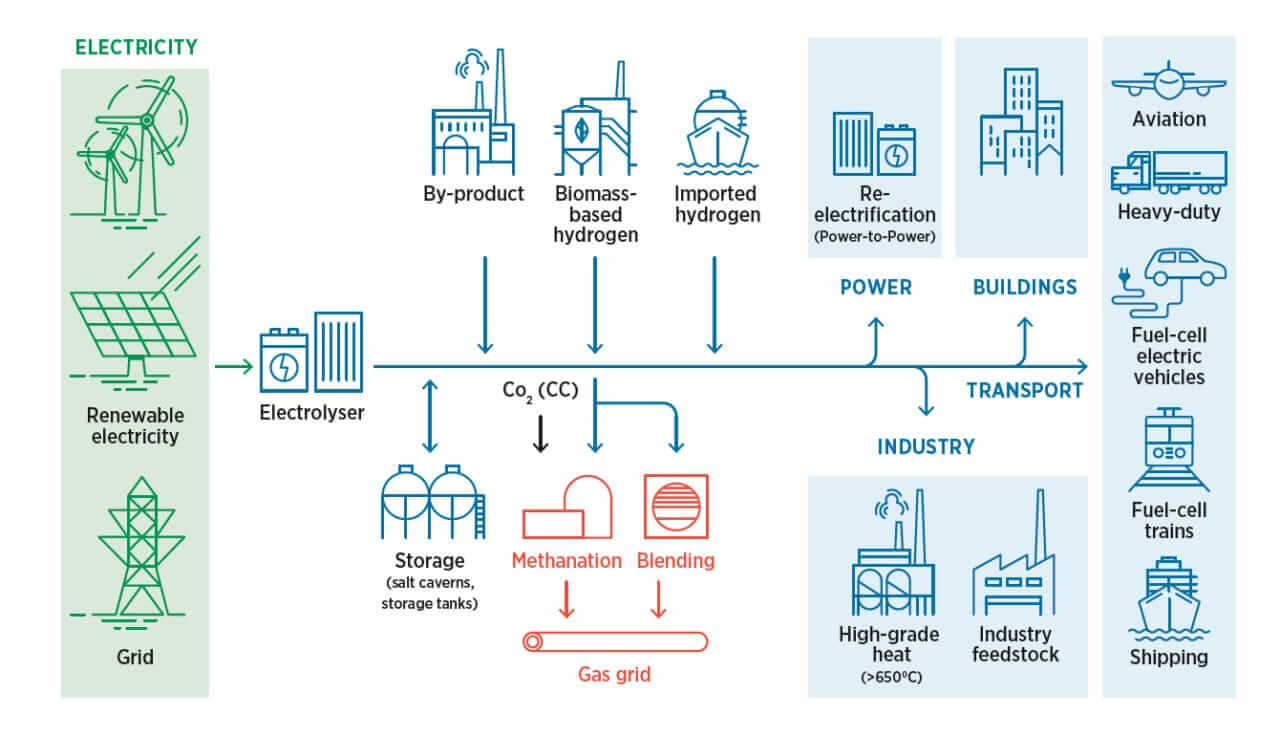
ISO 14687 works closely with other hydrogen standards, especially those governing hydrogen refueling infrastructure. Standards such as ISO 19880-1, which addresses hydrogen fueling stations, and SAE J2719, which defines hydrogen fuel quality requirements for vehicle fueling, are closely aligned with ISO 14687. Together, these standards create a comprehensive framework that covers fuel production, storage, distribution, and dispensing while maintaining consistent fuel quality throughout the supply chain.
Importance for the Hydrogen Industry
The implementation of ISO 14687 provides significant benefits for the hydrogen industry. It enables interoperability between hydrogen production facilities, transportation systems, and fueling stations across different countries and regions. Vehicle manufacturers can design fuel cell systems with confidence that compliant hydrogen will be available in the marketplace. In addition, regulators and certification bodies can use the standard as a reference when developing national hydrogen policies and technical regulations.
Future Outlook
As hydrogen becomes increasingly important in transportation, power generation, and industrial decarburization, the role of ISO 14687 will continue to grow. Future revisions may address emerging hydrogen applications, improved analytical technologies, and evolving industry requirements. By establishing internationally recognized fuel quality specifications, ISO 14687 remains a cornerstone of the hydrogen value chain and supports the safe, efficient, and reliable deployment of hydrogen energy systems worldwide.